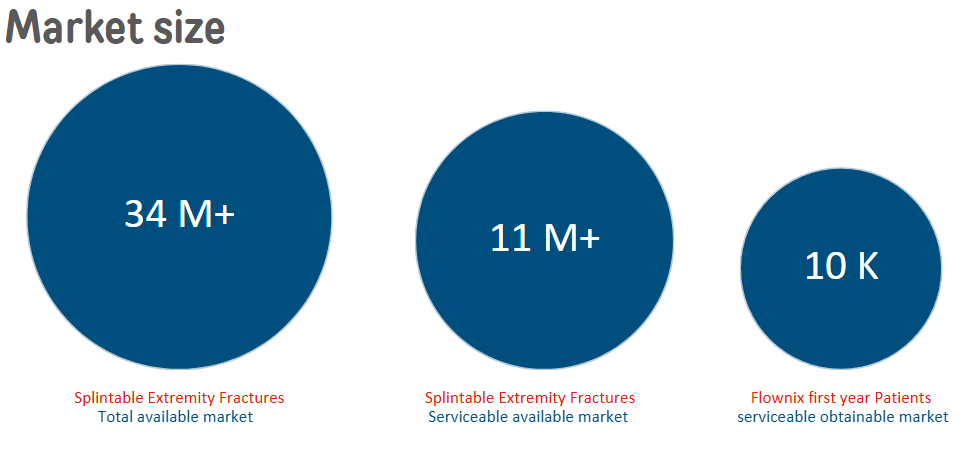
Every year, 178 million fractures occur worldwide.
While 34 million of them can be treated using splints, current solutions present a trade-off:
This creates a market gap where patients must choose between comfort and affordability.
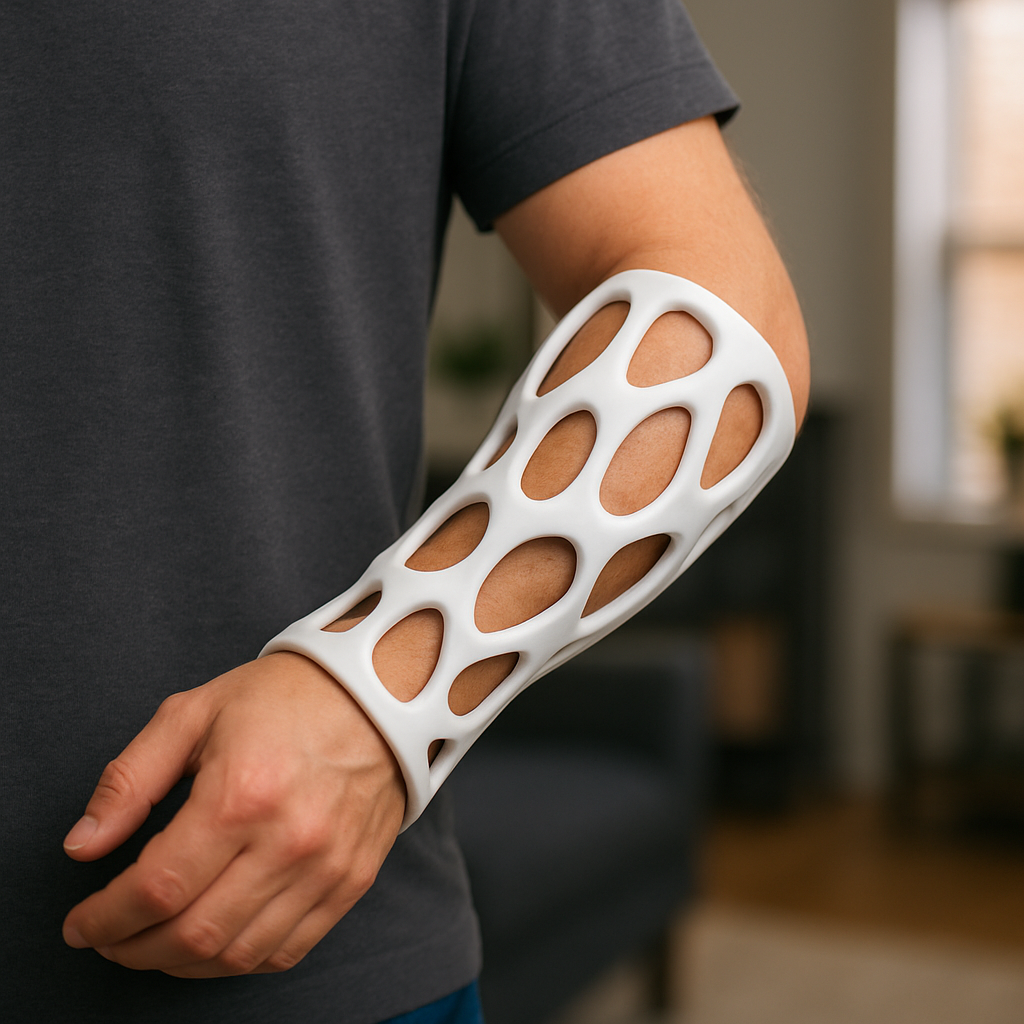
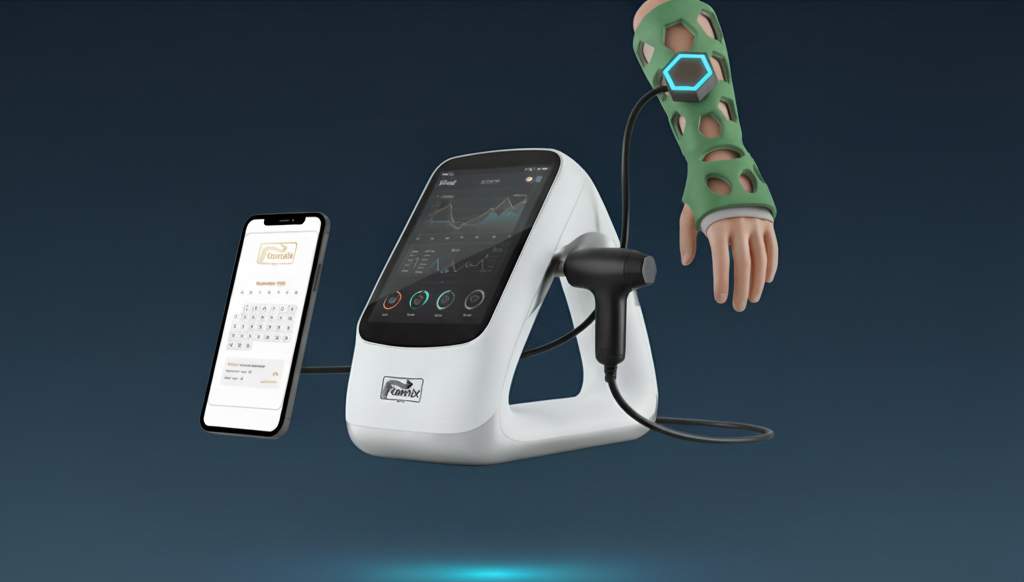
FLONIX introduces a thermo-responsive splint system made from shape-memory materials that can be quickly molded around the patient’s limb without 3D scanning.
The solution delivers:
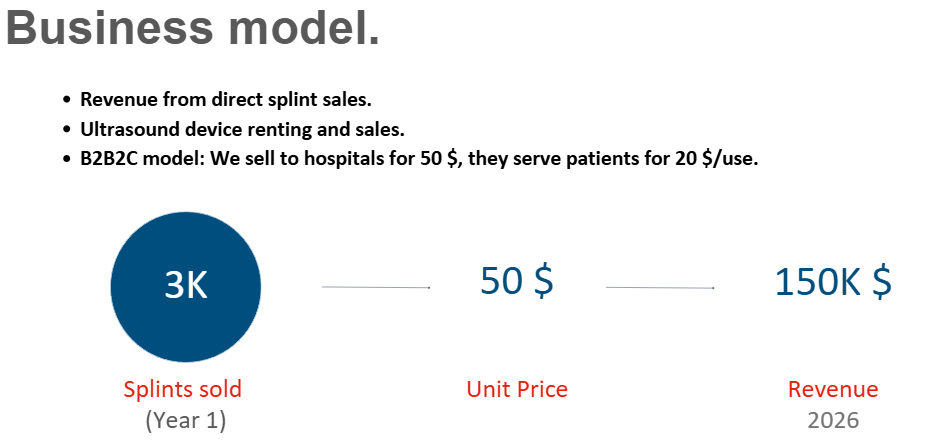
By combining engineering innovation with a scalable business model, FLONIX aims to deliver modern orthopedic care without the high cost barrier.
Challenge: Ensuring the splint remains flexible during molding while becoming rigid enough to stabilize fractures.
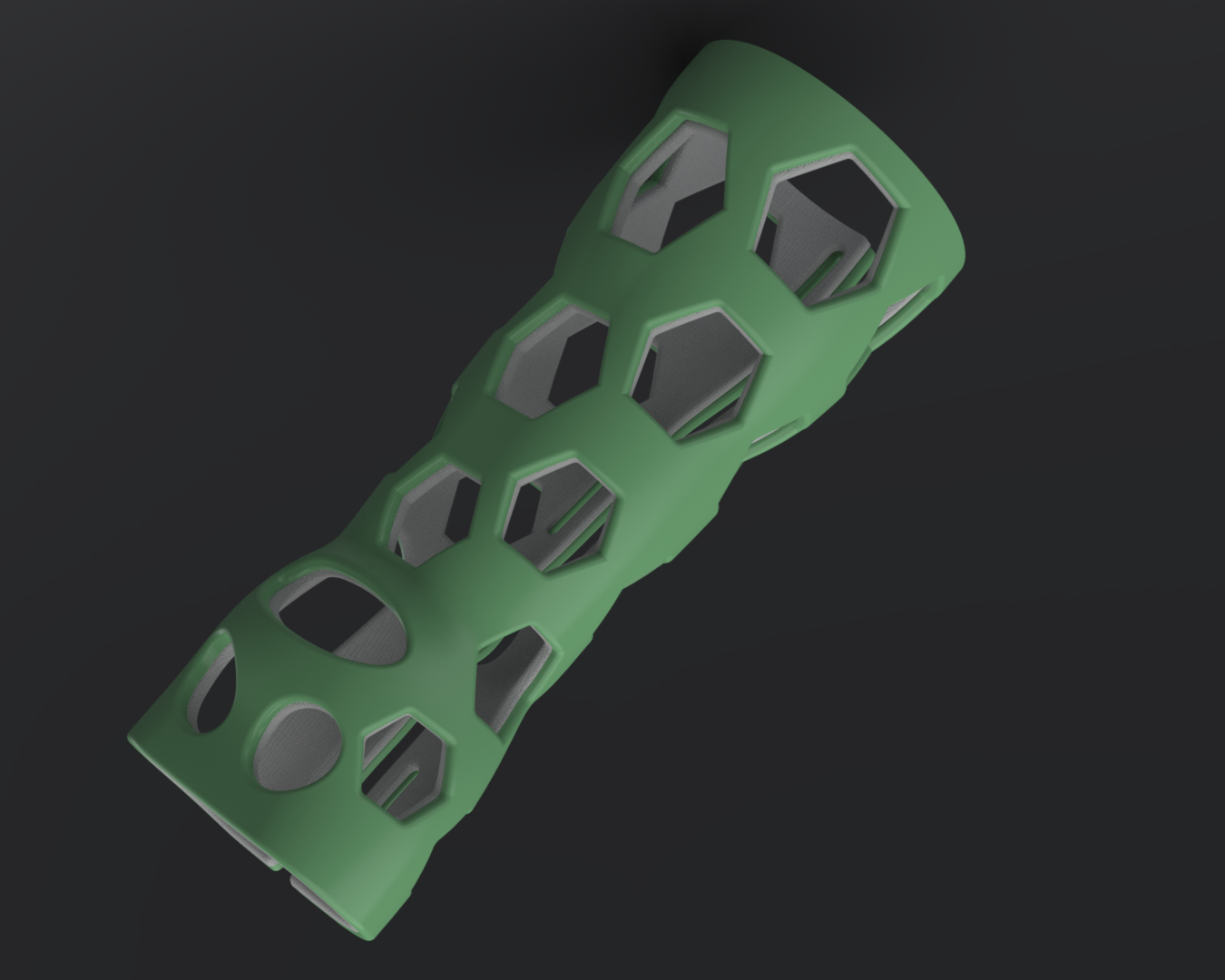
Solution: Optimized lattice structures and thickness distribution to balance flexibility and strength.
Challenge: Traditional 3D-printed casts require scanning and a long fabrication time.
Solution: Developed a flat-sheet thermo-activated design that can be molded directly onto the limb within minutes.